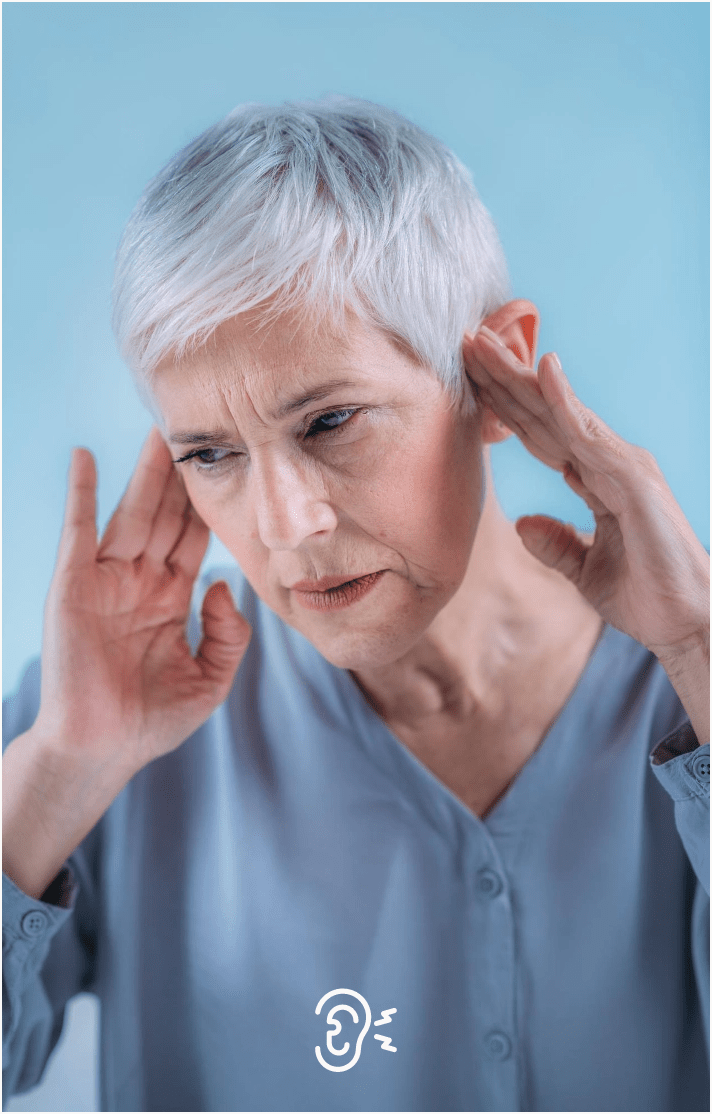
The LaserAddict method helps to alleviate the symptoms of tinnitus through gentle laser treatment and personalized follow-up. We apply gentle laser therapy to specific points on the auricle region to stimulate energy zones designed to soothe the symptoms of tinnitus.
THE EVENT From ONE SESSION
1
30-minute study: Together, we analyze the severity and type of your tinnitus.
2
30-minute laser session: Thanks to our state-of-the-art laser, we stimulate energy points to alleviate the symptoms of your tinnitus. This gentle, non-invasive treatment method leads to a significant improvement in your quality of life.
3
Customized support: We offer personalized follow-up after your treatment. We are here to support you and help you manage your tinnitus on a daily basis.
Discover the main symptoms of tinnitus and how to alleviate them with the LaserAddict method. Thanks to our gentle laser treatment and personalized follow-up, you will be able to significantly improve your quality of life.
Tinnitus is often described as a ringing, whistling, clicking, or hissing sound in the ear or head. It can be constant or intermittent and vary in volume.
HERE IS A LIST OF THE MAIN SYMPTOMS ASSOCIATED WITH ACUPUNCTURE:
BURDONNEMENT IN THE EARS
Acute groin pain
Noises
CLIQUETIS
These symptoms can have a significant impact on quality of life and can lead to sleep disorders, difficulty concentrating, feelings of anxiety or depression.
Thanks to the LaserAddict method, you will be able to alleviate these symptoms and improve your quality of life. After the sessions, you may notice a more or less significant improvement in your tinnitus.
THE DIFFERENCES TYPES OF MASSAGES
Tinnitus SUBJECTIVE
This is the most common type of tinnitus. Only the person affected can hear the noise. They can be caused by exposure to noise, age-related hearing loss, a blockage in the ear canal, certain medications, or conditions such as middle ear infections, Meniere’s disease, etc.
Tinnitus OBJECTIVES
These are the types of tinnitus that the doctor can hear during an examination. They are usually caused by problems with blood circulation, muscle contractions, or disorders of the nervous system. Objective tinnitus is much less common than subjective tinnitus.
To provide the best experiences, we use technologies such as cookies to store and/or access device information. Consenting to these technologies will allow us to process data such as browsing behaviour or unique IDs on this site. Not consenting or withdrawing consent may adversely affect certain features and functions.
Functional
Always active
Technical storage or access is strictly necessary for the legitimate purpose of enabling the use of a specific service explicitly requested by the subscriber or user, or for the sole purpose of carrying out the transmission of a communication over an electronic communications network.
Preferences
Technical storage or access is necessary for the legitimate interest of storing preferences that are not requested by the subscriber or user.
Statistics
The storage or technical access that is used exclusively for statistical purposes.Storage or technical access that is used exclusively for anonymous statistical purposes. Without a subpoena, voluntary compliance on the part of your Internet Service Provider, or additional records from a third party, information stored or retrieved for this sole purpose cannot generally be used to identify you.
Marketing
Technical storage or access is necessary to create user profiles to send advertising, or to track the user on a website or across several websites for similar marketing purposes.